
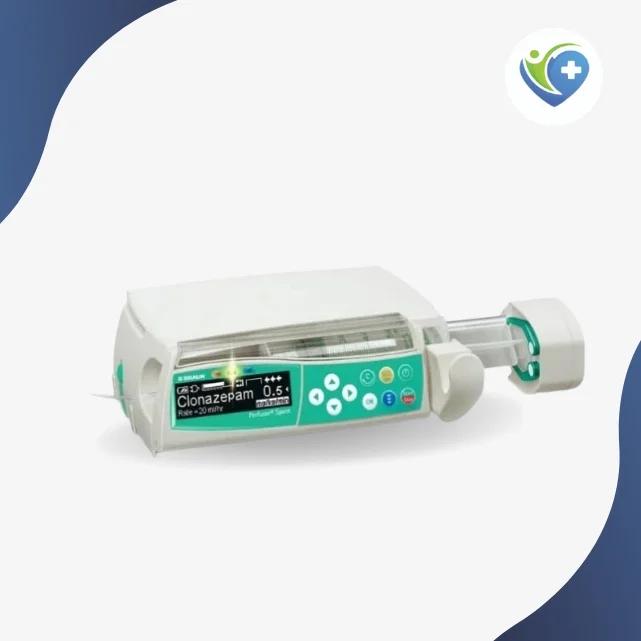
Description
How it works
A stepper motor precisely moves a drive screw, which in turn pushes a block along a guide.
This moving block is attached to the syringe’s plunger, forcing the plunger to move forward at a set speed.
The body of the syringe is held steady, so the fluid is dispensed from the tip at a rate determined by the motor’s speed and the syringe’s volume.
Uses
Medical: Used in hospitals to deliver medications slowly and continuously, which can be helpful for patients who have trouble swallowing or when a steady dose is required.
Research: In laboratories, they are used for highly precise applications like microfluidics, analytical chemistry, and applying thin films of liquids.
Key features
Precision: Delivers precise, accurate, and often pulseless fluid volumes.
Programmability: Advanced models have onboard computers that allow users to program complex dispensing sequences.
Safety: Modern medical pumps include alerts for malfunctions, battery status, and power failure.
Versatility: Can often accept a wide range of syringe sizes. Some are capable of both infusing and withdrawing fluid.




Reviews
There are no reviews yet.